Scientist Kate Keller’s Quest to Solve the Glaucoma Puzzle
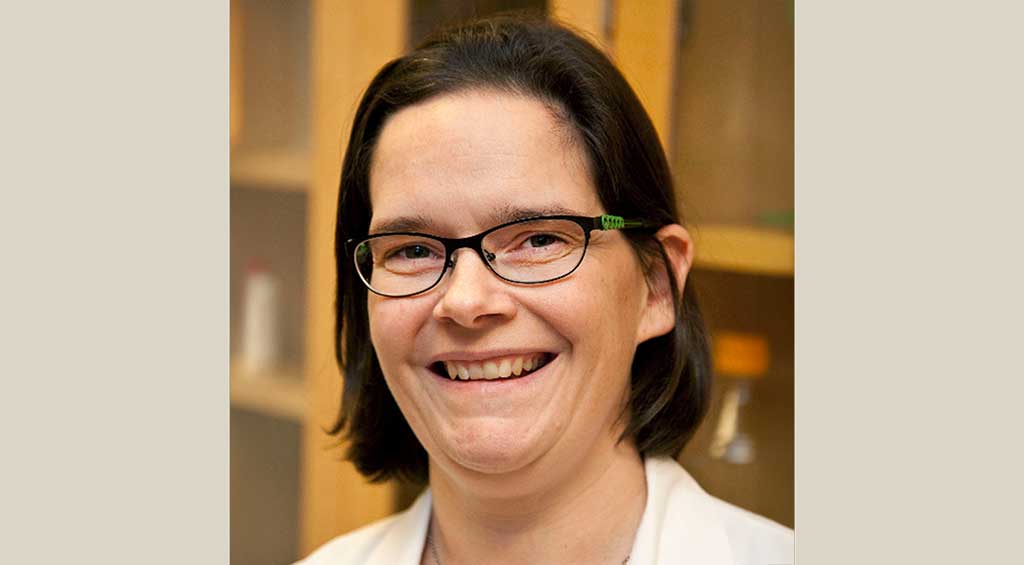
For Dr. Kate Keller, science is a lifelong exercise in curiosity.

Originally from Edinburgh, Scotland, Dr. Keller’s journey began in a local veterinary lab, where a high school internship first introduced her to the hidden world of microscopy. Today, she is a leading researcher focused on the molecular “jigsaw puzzle” of human glaucoma.
The Science of Small Molecules
Dr. Keller’s 2026 Shaffer research project focuses on the complex mechanics of the eye. Alongside her collaborator, Dr. Colin Willoughby, she is investigating microRNAs within trabecular meshwork (TM) cells. These tiny molecules act as biological switches, turning genes on and off to regulate intraocular pressure. By comparing healthy cells with those affected by glaucoma, Dr. Keller aims to:
- Identify specific microRNAs that control eye pressure.
- Discover new biomarkers for earlier disease detection.
- Pave the way for novel drug therapies that target these molecular pathways.
“To understand the molecular mechanisms of disease… it’s like a jigsaw puzzle, trying to fit in all the pieces of data to build a big picture.”
A Legacy of Support
In 2010, she received her first grant from Glaucoma Research Foundation (GRF) and was awarded the Shaffer Prize for Innovative Research. This initial investment acted as a springboard, allowing her to secure continuous NIH funding for over a decade. “If it were not for the GRF investing in my ideas as a junior scientist, I would not be where I am now,” she reflects.
Beyond the Lab
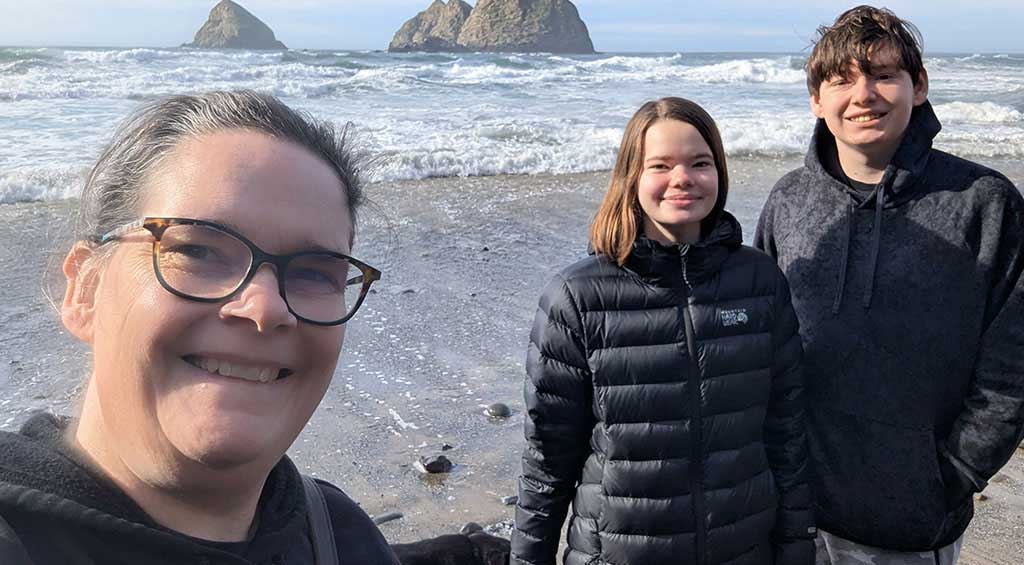
When she isn’t hunting for molecular breakthroughs, Dr. Keller prioritizes “unplugging” from the digital world. A resident of the Pacific Northwest, she spends her free time:
- Exploring the region’s natural beauty.
- Cheering at her daughter’s soccer games.
- Listening to her son’s band.
- Tending to her garden.
Driven by a passion for discovery and a deep gratitude for the community that supported her early career, Dr. Keller continues to piece together the molecular evidence needed to protect the vision of patients worldwide.
Questions and Answers with our April 2026 Scientist of the Month: Kate Keller, PhD
Where were you born?
Edinburgh, Scotland
Where did you get your PhD?
University of Edinburgh
What first interested you in science?
I became fascinated with microscopes when I did an internship as a high school student in the local veterinary laboratory, which provides diagnostics for livestock in rural Scotland. There I used histological stains to identify gram-negative and gram-positive bacteria.
What is your personal motivation as a scientist?
To understand the molecular mechanisms of disease. It’s like a jigsaw puzzle, trying to fit in all the pieces of data to build a big picture.
What is the goal of your Shaffer research project?
Together with my collaborator, Dr Colin Willoughby, a clinician based in Belfast, Northern Ireland, we will investigate microRNAs in trabecular meshwork (TM) cells. MicroRNAs are tiny molecules that help control how genes are turned on and off in TM cells. They regulate several pathways that keep intraocular pressure at healthy levels. By studying the differences in glaucomatous TM cells compared to TM cells from healthy individuals we expect to identify microRNAs that regulate intraocular pressure and new biomarkers of the disease.
How could your Shaffer research impact glaucoma patients?
MicroRNAs are promising targets for drug therapy due to their ability to modulate glaucoma-related pathways. Studying how microRNAs are different in glaucomatous cells will aid development of novel glaucoma therapeutics.
When you’re not in the lab, what do you do for fun?
Anything to get off the computer screen! You will likely find me exploring the beautiful Pacific Northwest, watching my daughter play soccer, listening to my son’s band, or working in my garden.
What else would you like the readers to know about you?
In 2010, I received my first grant from the Glaucoma Research Foundation and was honored to receive the Shaffer Prize for Innovative Research. I used the data generated from that grant to apply for NIH funding and I have been fortunate to be continuously funded by NIH since then. If it were not for the Glaucoma Research Foundation investing in my ideas as junior scientist, I would not be where I am now. I continue to be very grateful for the opportunity it provided me then, and for the current support today.
Posted on April 13, 2026. Article by Cynthia Steel, PhD, MBA

Cynthia Steel, PhD
Cynthia Steel, PhD is the Chief Scientific Officer for Glaucoma Research Foundation. Her work is grounded in a commitment to improving patient outcomes and translating cutting-edge science into meaningful clinical applications.