Dr. Lauren Wareham’s Personal Mission to Save Sight
The catalyst for Dr. Wareham’s career as a research scientist was watching her younger brother navigate a difficult medical journey.

For many scientists, the pursuit of a cure is sparked in a laboratory or a library. For Dr. Lauren Wareham, it began in a hospital waiting room. Born in Birmingham, England, and later earning her PhD from the University of Sheffield, Dr. Wareham has dedicated her career to understanding the complexities of the eye. But her journey isn’t just professional — it’s deeply personal.
A Spark Ignited by Family
The catalyst for Dr. Wareham’s career was watching her younger brother navigate a grueling medical journey. At just five years old, he was diagnosed with a rare and severe combination of glaucoma, uveitis, and cataracts. “Watching him go through that experience sparked a deep curiosity in me,” Dr. Wareham shares. “I wanted to understand what was causing his disease and why it happened.”
Watching her brother lose most of his vision as a child left an indelible mark on her. It transformed her curiosity into a lifelong mission: to ensure that other families don’t have to face the same permanent outcomes.
Moving Research Beyond Pressure
Today, Dr. Wareham is a two-time recipient of a Shaffer Grant, focusing on a specialized area of glaucoma research that could change how we treat the disease.
While most current treatments focus strictly on lowering eye pressure, Dr. Wareham is looking at the “architecture” of the eye itself. Her research centers on elastin—a protein that provides flexibility and resilience to the tissues supporting the optic nerve.
- The Problem: Even when eye pressure is controlled, many patients continue to lose vision because the tissue around the optic nerve cannot withstand the stress.
- The Goal: By strengthening and stabilizing this supportive tissue, Dr. Wareham hopes to create a “shield” for the optic nerve.
- The Impact: This research could lead to new therapies that protect vision more effectively than pressure-dropping drops alone, offering long-term hope for those with advanced cases.
“Science is a Team Effort”
Beyond the microscope, Dr. Wareham is a firm believer that the best discoveries happen through collaboration. She is passionate about mentoring the next generation of scientists, ensuring they have the support and inspiration needed to tackle big challenges. “Science is a team effort,” she says. “I never lose sight of the patients behind the science. My work is driven not just by curiosity, but by a genuine desire to make a difference in people’s lives.”
Life Beyond the Lab
When she isn’t seeking a cure for glaucoma, Dr. Wareham finds balance in the simple joys of life. A resident of the research world by day, she spends her free time:
- Exploring with her young son and family.
- Creating through cooking and home design projects.
- Unwinding with a good TV series after a long day of discovery.
Dr. Lauren Wareham represents a new wave of scientific leadership—one where rigorous academic excellence meets profound empathy. By fortifying the eye’s natural defenses, she isn’t just studying a disease; she’s fighting for a future where vision loss is no longer an inevitability.
Questions and Answers with our May 2026 Scientist of the Month: Lauren Wareham, PhD
Where were you born?
Birmingham, England
Where did you get your PhD?
The University of Sheffield, England
What first interested you in science?
Growing up, I spent a lot of time in hospitals with my younger brother, who developed a rare and severe combination of glaucoma, uveitis, and cataracts at just five years old. Watching him go through that experience sparked a deep curiosity in me – I wanted to understand what was causing his disease and why it happened. That early exposure to medicine and unanswered questions is what first drew me toward science.
What is your personal motivation as a scientist?
My motivation is deeply personal. My younger brother lost most of his vision as a child and has lived with the challenges of glaucoma ever since. Seeing firsthand how profoundly vision loss can shape someone’s life has stayed with me. It drives my desire to pursue research that doesn’t just advance knowledge, but ultimately makes a real difference for patients. If my work can contribute, even in a small way, to improving outcomes for people affected by glaucoma, then I will consider that incredibly meaningful.
What is the goal of your Shaffer research project?
The goal of my project is to understand how changes in the eye’s supportive tissue contribute to glaucoma. In particular, I’m studying a protein called elastin, which helps keep the optic nerve and other tissues at the back of the eye flexible and resilient. I want to test whether strengthening and stabilizing this tissue can help protect the nerve and prevent vision loss.
How could your Shaffer research impact glaucoma patients?
Most current treatments for glaucoma focus on lowering eye pressure, but many patients still lose vision over time. My research aims to develop a new approach that strengthens the tissue around the optic nerve, helping it better withstand stress. Ultimately, this could lead to treatments that protect vision more effectively and improve long-term outcomes for patients.
When you’re not in the lab, what do you do for fun?
When I’m not in the lab, I love spending time with my family, especially my young son. We’re often out exploring, traveling, or just enjoying simple moments together. I also enjoy cooking, home design projects, and unwinding with a good TV series at the end of the day!!
What else would you like our readers to know about you?
I care deeply about building a collaborative and supportive research environment, and about mentoring the next generation of scientists. Science is a team effort, and I’m passionate about creating a space where trainees feel inspired and supported. At the same time, I never lose sight of the patients behind the science. My work is driven not just by curiosity, but by a genuine desire to make a difference in people’s lives.
Posted on May 12, 2026. Article by Cynthia Steel, PhD, MBA.
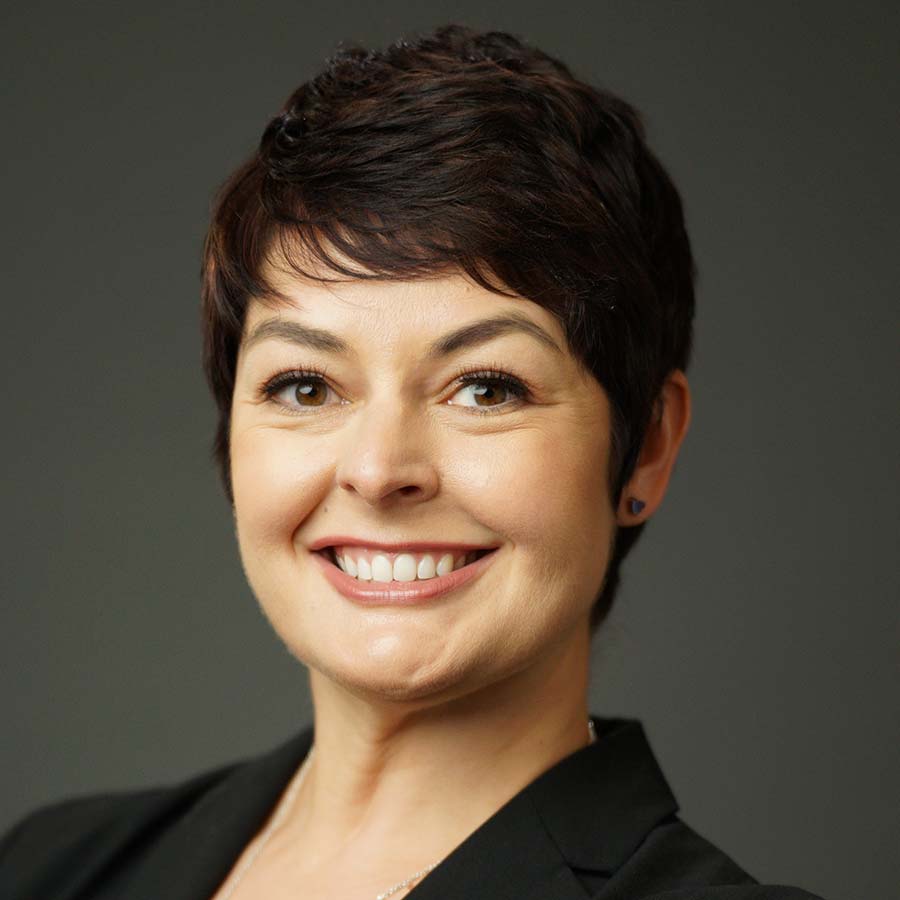
Cynthia Steel, PhD
Cynthia Steel, PhD is the Chief Scientific Officer for Glaucoma Research Foundation. Her work is grounded in a commitment to improving patient outcomes and translating cutting-edge science into meaningful clinical applications.